
Cultural views on gambling A global exploration of beliefs and practices
Cultural views on gambling A global exploration of beliefs and practices
Historical Context of Gambling
The practice of gambling can be traced back thousands of years, deeply embedded in the cultural fabric of various societies worldwide. Ancient civilizations, such as the Chinese and Romans, utilized games of chance not only as forms of entertainment but also as ways to forecast events and seek divine favor. You’ll find that the ice fishing game reflects this enduring appeal and significance, revealing how gambling was a common pastime among people of all social strata in early societies.

As societies evolved, so did the various forms of gambling. In medieval Europe, for example, dice games were popular among the nobility and commoners alike, symbolizing both luck and skill. The rise of the lottery during this time was often tied to funding public works and charities, demonstrating how gambling can serve broader societal purposes. This historical evolution reflects diverse cultural attitudes toward risk, chance, and fortune, laying the groundwork for contemporary beliefs about gambling.
Gambling’s historical trajectory also illustrates its intersection with religion and morality. In many cultures, gambling was viewed with suspicion and linked to vice, while in others, it was celebrated as a communal activity that fostered social bonds. The duality of gambling as both a source of entertainment and potential social peril continues to influence modern cultural perspectives, making it a rich area for exploration across various global contexts.
Modern Perceptions in Western Cultures
In Western cultures, gambling is often viewed through a dual lens of entertainment and risk. For instance, Las Vegas epitomizes the commercialization of gambling, promoting it as a glamorous and exhilarating experience. This portrayal is reinforced through popular media—movies and television often glamorize the high-stakes lifestyle associated with gambling, shaping societal perceptions and attitudes toward it. The allure of quick wealth can overshadow the risks involved, leading to both fascination and criticism.
Moreover, legislation surrounding gambling varies widely in Western countries. The acceptance of online gambling and sports betting has grown significantly in recent years, driven by technological advancements and changing public attitudes. While many view these developments as positive, offering economic benefits and job creation, others express concern over addiction and the social consequences of widespread gambling access, indicating a complex societal dialogue about responsibility and freedom.
Cultural norms regarding gambling behavior also vary; for instance, in countries like the United States, gambling may be more widely accepted than in parts of Europe where stricter regulations exist. This divergence often influences community discussions, with advocates pushing for broader access while others emphasize the need for protective measures against gambling-related harms. As these cultural attitudes continue to evolve, they highlight the ongoing negotiation of gambling’s place in modern society.
Cultural Views in Asian Societies
In many Asian cultures, gambling occupies a unique position, often intertwined with tradition and communal values. For instance, in China, games like Mahjong have been played for centuries, often during family gatherings and celebrations. This practice reflects a cultural appreciation for gambling as a social activity, deeply embedded in the fabric of community life. However, the view of gambling is also complex; while it is widely enjoyed, there are ongoing debates regarding its implications for individual and familial well-being.
In contrast to the generally celebratory perspective on gambling in China, countries like Japan approach the subject with a mix of enthusiasm and restraint. While certain forms of gambling, like Pachinko, are widely accepted, other practices are viewed with skepticism, prompting legal restrictions. The Japanese government has recently begun to explore more regulated forms of gambling, such as integrated resorts, which signifies a shift in cultural attitudes and acceptance. However, it remains a topic of contention due to concerns surrounding gambling addiction and its potential social impacts.
Cultural beliefs about luck and fate also play significant roles in gambling practices across Asian societies. Many individuals believe that certain rituals or superstitions can influence the outcome of games, leading to elaborate pre-game preparations. This belief system highlights how gambling is not merely about chance; it is often infused with spirituality and a deep-rooted sense of cultural identity, shaping the way individuals engage with games of chance.
Gambling and Its Role in Indigenous Cultures
Indigenous cultures across the globe exhibit distinct views on gambling, often tying it to communal activities and cultural rituals. For many Native American tribes, gambling has historical significance that goes beyond mere entertainment; it serves as a means of cultural expression and economic empowerment. Tribal casinos have become essential sources of revenue, enabling tribes to fund community projects and support social services, which speaks to the dual role of gambling as both a livelihood and a cultural preservation tool.
However, the integration of gambling into indigenous cultures has raised complex issues. While many tribes embrace the economic benefits of casinos, there are concerns about the potential erosion of traditional values and increased social issues, including addiction. This duality of opportunity and risk prompts ongoing discussions within communities about how best to balance economic development with cultural integrity, making it a nuanced topic worthy of exploration.
Additionally, gambling practices among indigenous communities often incorporate spiritual beliefs, where certain games are played not just for monetary gain but as part of rituals and social gatherings. These games serve as a way to strengthen community ties and pass down cultural traditions. Such practices highlight the importance of understanding gambling through a cultural lens, recognizing that it can fulfill various social, economic, and spiritual functions in indigenous contexts.
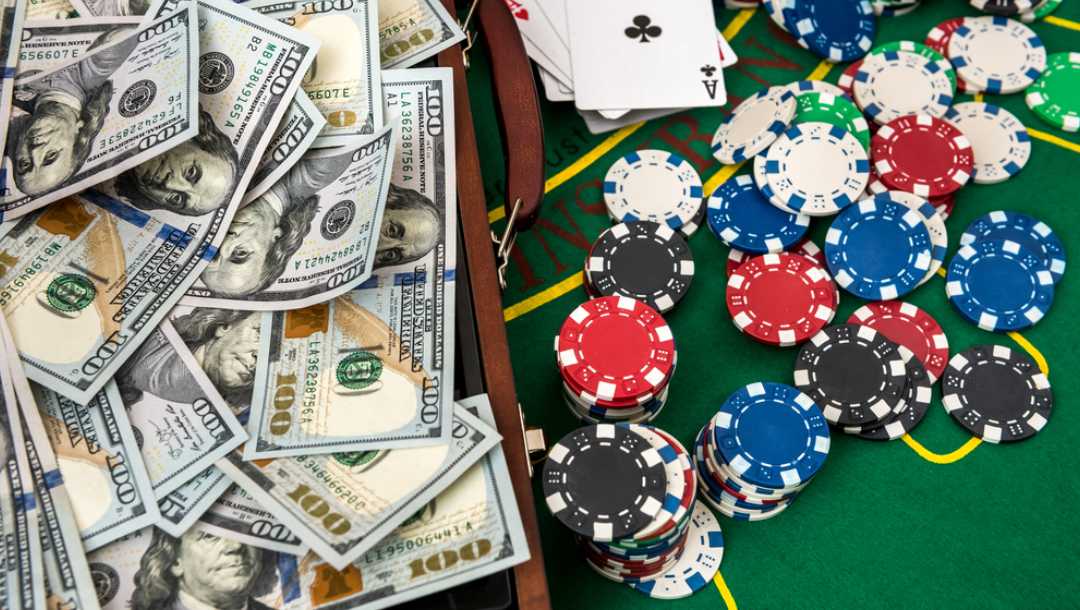
Exploring Global Beliefs on Gambling Through Our Platform
At our platform, we aim to explore the multifaceted cultural views surrounding gambling, providing insights into how diverse beliefs shape practices globally. By delving into the various historical, social, and economic aspects of gambling, we help users understand not only the mechanics of games but also the cultural significance behind them. This approach enables users to appreciate gambling as more than just a chance-based activity; it is deeply woven into the identity and values of many communities worldwide.
We believe that fostering awareness about the cultural implications of gambling can lead to more informed choices and responsible engagement with games of chance. By offering educational resources and promoting discussions, we hope to create a community where users can share their experiences and perspectives. Our platform serves as a gateway to understanding the rich tapestry of beliefs that define gambling practices across different societies.








Recent Comments