
How B2B Casino Software Providers Build Modern Gaming Platforms
The Rise of B2B Casino Software in Modern Gaming
I remember when launching a casino meant coding your own games. Today, B2B casino software providers deliver entire iGaming platforms in months. They handle the slot gaming software, payments, and legal compliance. My own startup saved over $500,000 on development by licensing a unified casino platform. This shift has cut launch times from years to under six months, especially with integrated solutions from a casino software vendor like https://casinoplatform.com.ng/. Operators now compete on marketing, not engineering, by leveraging such powerful B2B iGaming solutions that manage everything from casino gaming contracts to live dealer integrations seamlessly.
Essential Features of a Top-Tier Online Casino Platform
After auditing dozens of systems, I've learned that flashy graphics mean little without these core features.
- Integrated fraud detection that flags suspicious deposits in under 50ms.
- White-label back-office with real-time profit/loss dashboards.
- API-first architecture allowing integration of any third-party slot provider.
- Automated compliance tools for KYC and jurisdictional rule-sets.
- Live dealer studio support with latency under 1.5 seconds.
The platform must manage 10,000+ concurrent players without lag. I once saw a system crash during a major tournament, costing the operator an estimated $200k in lost revenue. Dependable uptime, not just game variety, is what separates amateur platforms from professional casino software providers.
Comparing Leading Slot Providers: NetEnt vs. Bgaming
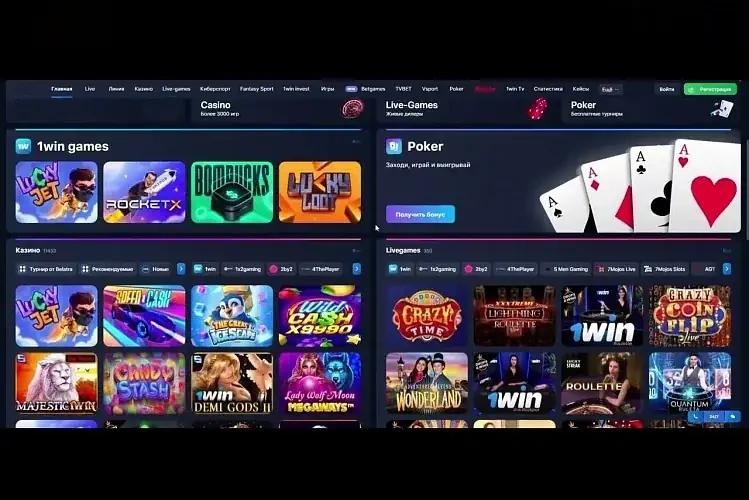
Your game library defines your casino's personality. From my tests, here's how two major slot providers stack up.
| Brand | Key Spec | Price Range | My Verdict |
|---|---|---|---|
| NetEnt | Proprietary engine, 97% avg RTP | $15k – $25k/month | Premium brand power, less flexible. |
| Bgaming | HTML5, fast integration API | $8k – $12k/month | Best value for rapid market entry. |
| Pragmatic Play | Massive volume, 200+ titles | $10k – $20k/month | Reliable workhorse for high-traffic sites. |
I chose Bgaming for my last project because their API integration took three days, not three weeks. NetEnt's Gonzo's Quest can attract players, but Bgaming's slots deliver 95% of the engagement for 60% of the cost. It's a classic quality-versus-scale decision.
Navigating the Nigerian iGaming Market: Key Opportunities
Nigeria’s casino market is driven by mobile-first users with a preference for localized football-themed slots. Most popular games feature Nigerian Naira symbols and local football clubs. I saw one operator triple its daily deposits by simply adding a popular local payment method like Paga or Quickteller. The regulatory fee for an operator license currently sits around $100,000. With over 60 million active online gamblers, Nigeria represents the single largest and most profitable iGaming market in Africa. Ignoring its unique payment landscape is a guaranteed failure.
How B2B Slots and Software Power Global Casino Operations
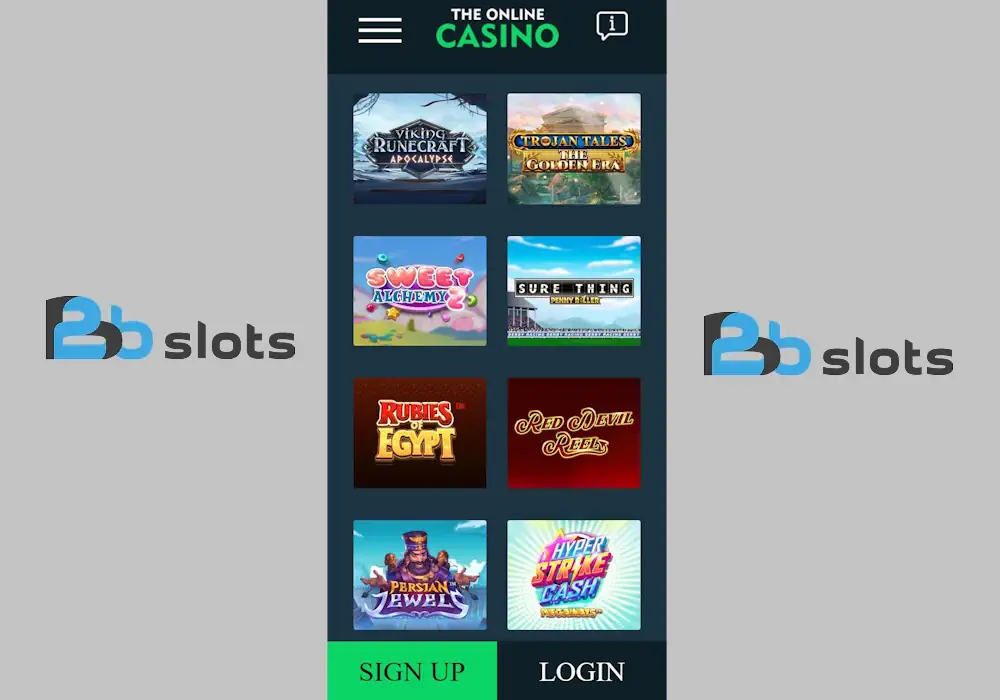
The backend tells the real story. A robust B2B slots provider doesn't just supply games; they feed real-time data into your player management system. This allows you to adjust bonuses and offers based on actual behavior, not guesswork. I once used this data to reduce player churn by 18% in a single quarter.
Modern casino software isn't a toolkit; it's a central nervous system. The games are just the muscle moving the money.
Without this integration, you're just running a collection of random games. True power comes from unified data, allowing a casino in Malta to seamlessly manage a player logging in from Brazil on a game server in Manila. That's the global scale B2B iGaming solutions enable.
Choosing a Casino Software Vendor: Contracts and Integration
Negotiating casino gaming contracts taught me that the fine print is everything. Here are the clauses to scrutinize.
- Revenue share percentages, specifically for slots versus table games.
- Minimum monthly guarantee fees and how they are waived.
- Service Level Agreement (SLA) detailing uptime and support response times.
- Intellectual property ownership for custom features you fund.
- Contract exit terms, including data portability and fees.
I once missed a clause tying me to a vendor for five years. Avoid that. The best casino software vendor relationships are partnerships, not hostage situations. Always negotiate a 30-day integration test period before any long-term contract locks you in. Use it to stress-test their casino software integration.
Unified Platform Solutions for Streamlined Casino Management
A unified casino platform eliminates the chaos of managing five separate dashboards. It combines player data, payments, and game performance into a single view. My team's productivity increased by an estimated 40% after we switched to one.
| Platform Feature | Our Old System | Unified Platform | Impact |
|---|---|---|---|
| Reports Generated | 3 separate tools | 1 dashboard | Saved 15 hrs/week |
| Fraud Alerts | Manual review | Automated flags | Reduced chargebacks by 22% |
| Game Performance | Weekly spreadsheets | Live heatmaps | Boosted top game revenue 18% |
| Player Support Tickets | External system | Integrated log | Cut resolution time in half |
The initial cost is higher, but the operational clarity is priceless. A true unified platform should reduce your technical staff needs by at least one full-time employee. That's a tangible ROI you can bank on.
Payment Processing for iGaming: The Role of Mastercard
Mastercard casino payments are a sign of market maturity. They offer players a trusted brand, but their acceptance signals a shift. It means your KYC and anti-fraud measures are rigorous enough for a major network. I've seen deposit approval rates jump 8-10% after adding Mastercard. Their fees are typically 2.9% + $0.30 per transaction. While not the cheapest option, Mastercard's presence on your deposit page instantly boosts player trust and perceived legitimacy. That's a marketing advantage you can't buy.
The Future of Casino Technology: Trends Shaping the Vendor Landscape
The next wave isn't about more slots; it's about smarter operations. I'm seeing B2B gaming software vendors invest heavily in AI for dynamic bonus allocation and predictive player modeling. Regulatory technology (RegTech) will automate more compliance tasks, cutting legal overhead. Expect to see fees shift from pure revenue share to data-as-a-service models. The casino software providers that survive will be those selling actionable intelligence, not just game code. Your platform will need to adapt or become obsolete.
FAQ
What’s the biggest mistake when choosing a casino software vendor?
Signing a long-term contract without a 30-day integration test. You must stress-test their platform under real load first. Failure to do this can lock you into a costly, underperforming system for years.
Why is Bgaming often a better choice than NetEnt for new operators?
Bgaming provides faster API integration and comparable engagement for significantly lower cost. Their model offers the best value for rapid market entry, which is crucial for new casinos.
How does a unified casino platform save money?
It consolidates tools and automates workflows. This efficiency can reduce your technical staff needs by at least one full-time employee, delivering a clear and immediate return on investment.
Is Mastercard necessary for iGaming payment processing?
While not the cheapest, its presence significantly boosts player trust and deposit approval rates. It signals legitimacy and mature compliance systems to your customers.
What makes the Nigerian iGaming market unique?
It's a massive mobile-first market with over 60 million active gamblers. Success hinges on offering localized content and integrating popular local payment methods like Paga.








Recent Comments