
Understanding Forex Trading Times Maximizing Your Trading Potential 1594788532
The forex market, known for its high volatility and liquidity, operates 24 hours a day, five days a week. Understanding forex trading times Forex Brokers in Uganda and their trading times is essential for any trader looking to maximize their opportunities and minimize risks. As the largest financial market in the world, forex trading attracts participants from all over the globe. This article aims to delve into the intricacies of forex trading times, providing insights that can help traders adapt their strategies according to market hours.
How Forex Trading Times Work
The forex market operates in a decentralized environment, meaning that trading does not happen in a centralized exchange like the stock market. Instead, trading occurs electronically over-the-counter (OTC), allowing traders to buy and sell currency pairs at any hour of the day. The market is divided into four major trading sessions: the Sydney session, the Tokyo session, the London session, and the New York session. Each of these sessions has unique characteristics and trading volumes, making understanding them crucial for traders.
The Four Major Trading Sessions
- Sydney Session: The Sydney session marks the opening of the forex market. It generally operates from 10 PM to 7 AM GMT. While the trade volume during this session is relatively lower compared to others, it is an excellent time for traders to prepare for the upcoming day.
- Tokyo Session: Following Sydney, the Tokyo session runs from 12 AM to 9 AM GMT. As Asia’s foremost financial center, this session sees increased activity, particularly in currency pairs involving the Japanese yen.
- London Session: Arguably the most active session, the London session runs from 8 AM to 5 PM GMT. It overlaps with both the Tokyo and New York sessions, creating significant trading opportunities due to high liquidity and volatility.
- New York Session: The final trading session of the day begins at 1 PM and ends at 10 PM GMT. This session is characterized by high volatility as it overlaps with the London session for a few hours.
Significance of Trading Times
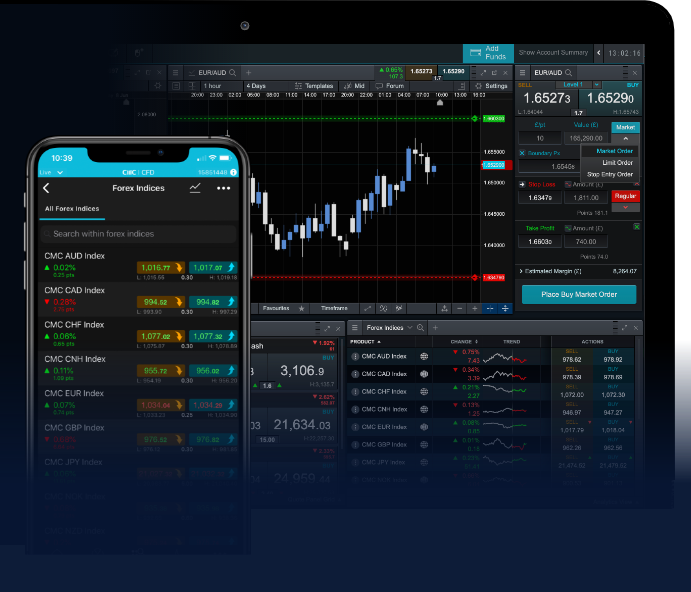
The importance of trading times in forex cannot be overstated. Each session brings its own attributes ranging from liquidity to volatility. Here are some considerations that illustrate why trading times matter:
- Liquidity: High liquidity often leads to tighter spreads, lower trading costs, and better price executions. The London and New York sessions generally offer the highest liquidity, making them preferred times for day traders.
- Volatility: Different sessions have varied levels of volatility, impacting trading strategies. Traders may favor volatile hours to capitalize on larger price swings.
- Strategic Trade Planning: By understanding trading times, traders can better plan their strategies. For example, range traders may look for calmer, less volatile periods to execute trades, while trend traders may focus on high-activity times.
Best Times to Trade Forex
To effectively plan your trading strategy, it’s critical to identify the optimal times to trade based on your trading style. Here are some guidelines:
- Day Traders: Day traders thrive during the London and New York sessions due to the high volatility and liquidity available during these periods. They should seek to enter trades when markets are moving swiftly.
- Swing Traders: Swing traders can benefit from both the London and New York sessions but may also find opportunities during the Tokyo session, particularly if they trade currency pairs involving the yen.
- Scalpers: For scalpers, the overlapping hours of the London and New York sessions offer the best conditions for quick profits due to rapid price changes.
Utilizing Economic Releases and News Events
Economic data releases and news events can immensely impact currency movements. Traders often monitor scheduled economic reports to find trading opportunities that align with these releases. Major events generally occur during business hours, and being aware of the economic calendar can aid traders in scheduling their trades effectively.
Tools for Tracking Forex Trading Times
There are numerous tools available that can assist traders in tracking forex trading times effectively:
- Forex Market Hours Map: This interactive tool displays the hours of operation for each trading session, enabling traders to see when markets are open in real-time.
- Economic Calendars: These calendars provide important dates for economic releases across different time zones, helping traders plan ahead.
- Trading Platforms: Many trading platforms offer built-in tools that adjust to your local time and notify you of upcoming sessions and economic events.
Conclusion
In conclusion, understanding forex trading times is paramount for traders looking to succeed in the forex market. By recognizing the unique characteristics of each session and strategically planning trades, traders can leverage market opportunities more effectively. Regardless of your trading style, optimizing your trading schedule based on these insights can greatly enhance your results in the competitive world of forex trading.







Recent Comments